Showing posts with label Story Lab. Show all posts

Thursday, May 2, 2019

Story Lab: Crash Course Myths

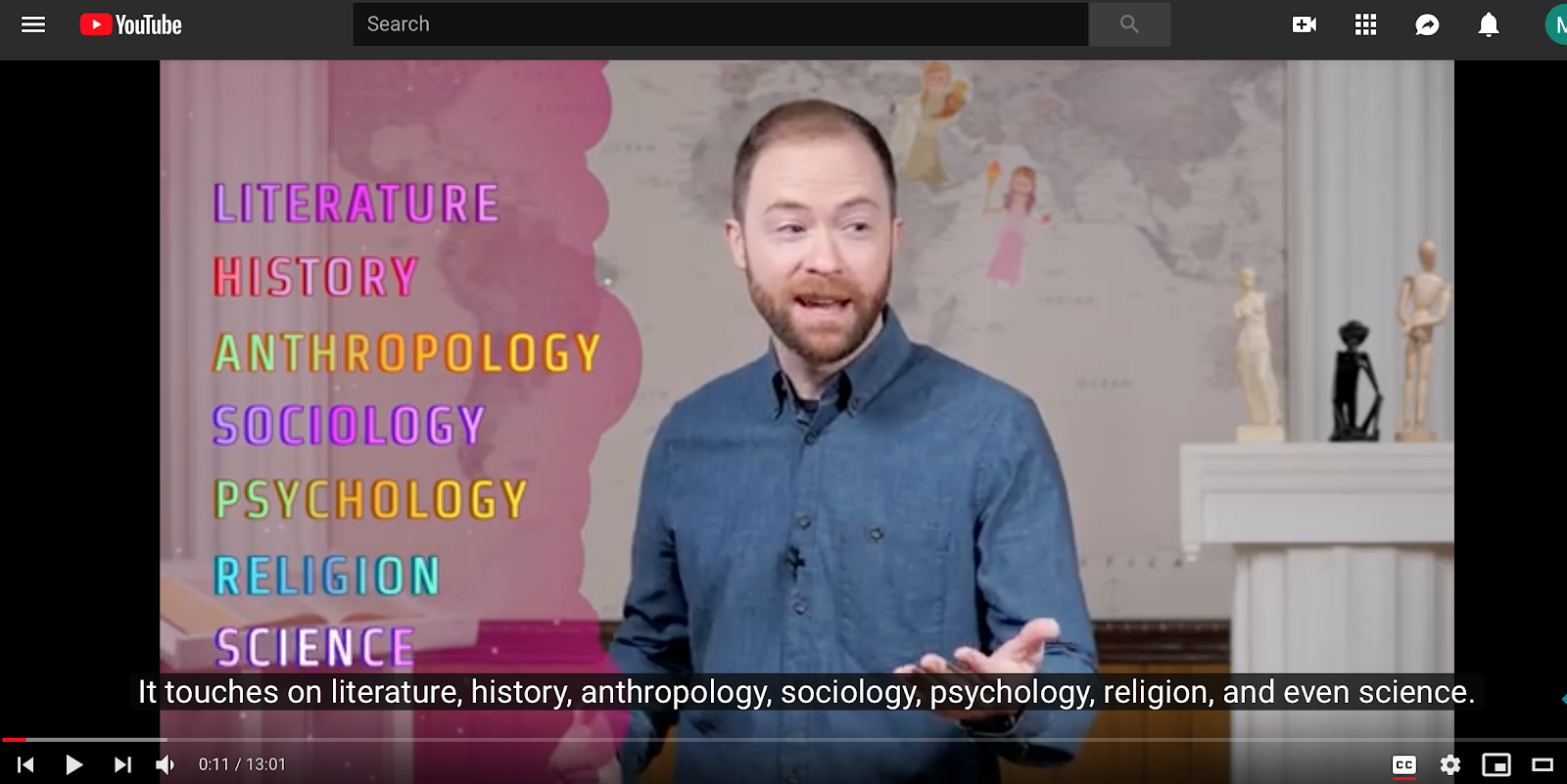
This week I decided to do the Crash Course Myth videos, which are a set of three videos from Crash Course about mythology (of course). There are three videos: the first one talks about mythology in general (how it’s defined, how it can differ from religion [or not], etc.), the second video talks about how myths are studied and interpreted, and the third is about the idea of the hero and how some people characterize the hero.

Screenshot from the first video (source)

The first video is exactly how it sounds: it gives a pretty good breakdown of what exactly mythology is, what influences it, what all can be learned from it, etc. Something they stress is that myths are old, and come from many different sources. They make sure to mention in the video that if they’re discussing a myth the viewer recognizes, but some details don’t seem right, it might just be they’re using a different source than the viewer has.

Notice they quote John Green! (source)

The second video actually gets into the theory of myth. It talks about how to analyze it and the theories about myth that people have developed. Basically people have been analyzing myth and its theory since Plato and his comrades. The idea that myths were created to explain scientific events, and that they were about real, ordinary people whose deeds were exaggerated until they were gods, has been around for centuries. As more was discovered about ancient civilizations, the more the idea of myths was reworked.

I don’t know who the sword belongs to, but I know where the shield and hat come from! (source)

The third video is about the Hero. The person in the myth or story who’s the main focus, the good guy who’s going to save everyone. Joseph Campbell created the theory of the Hero’s Journey, which is highly influential. Campbell noticed that in many stories from many cultures, there are basic events the hero must go through. The hero will journey away from home and towards adventure, then return home at the end, wiser and presumably in the same physical condition they were in when they left.

Friday, April 26, 2019

Story Lab: Fiction and its Influence on Real Life

This week, I decided for my last Story Lab that I would be doing the Stories and Friends activity. This consists of two TED Talks: 

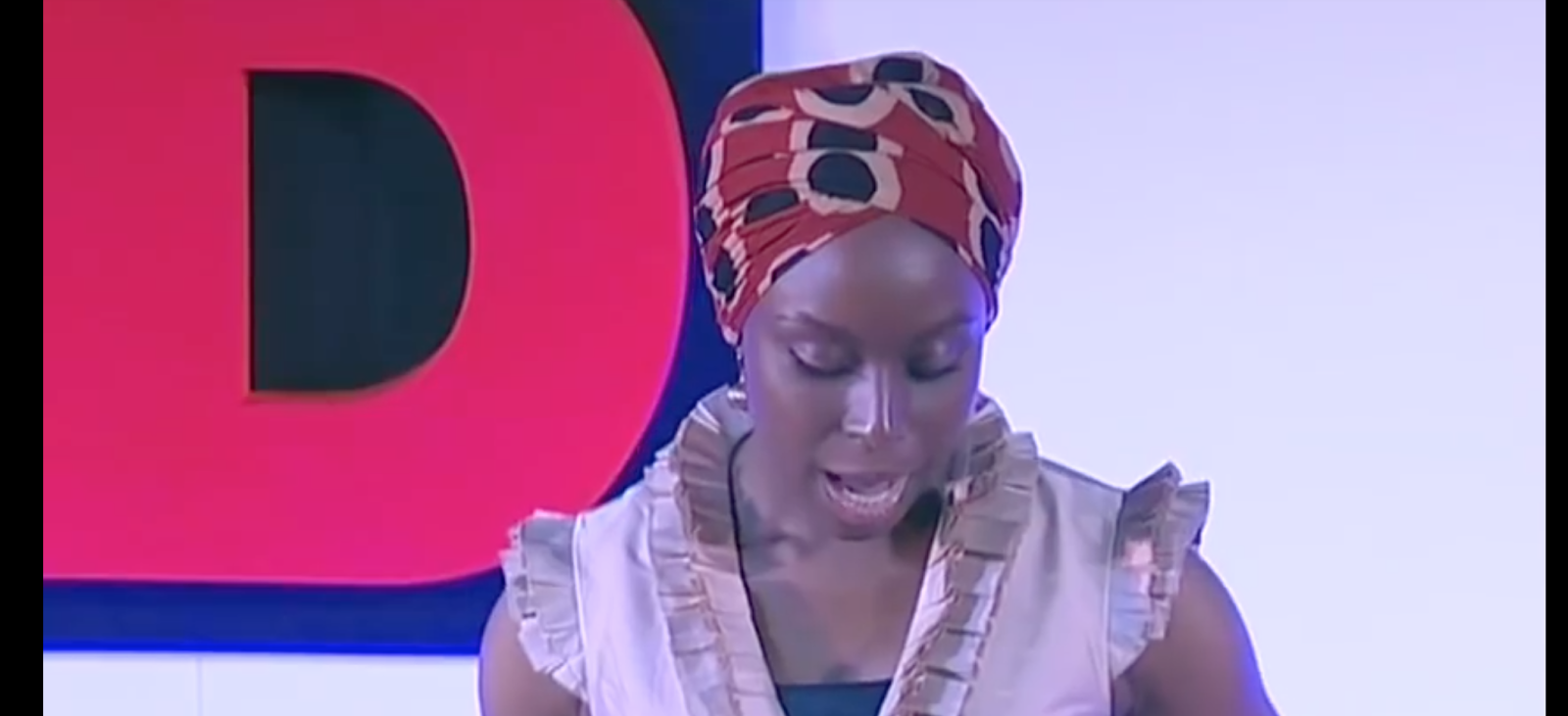
The danger of a single story, by Chimamanda Ngozi Adichie
(screenshot from the source)

(screenshot from the source)

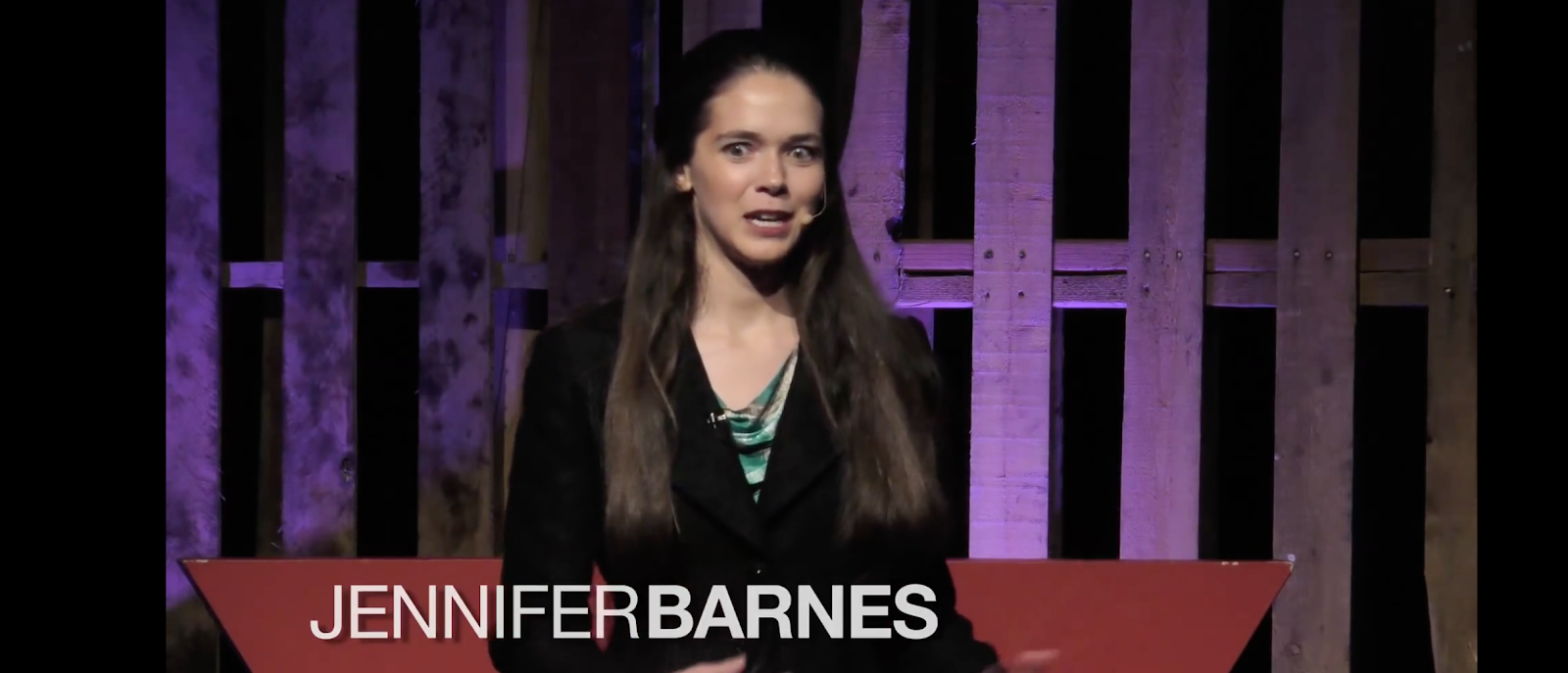
Both of these TED Talks look at how stories influence real life beliefs and attitudes, but they approach it in different ways: Adichie from her personal experience, and Barnes from a scientific standpoint.

Adichie explains her experience of growing up in Nigeria, and how reading stories by European authors influenced her early beliefs in childhood. She also discusses how, now that she’s an adult and an author, people will often generalize the stories they hear about one culture to the entire culture. For example, she talks about how a character in her book is a male who is an abusive father. She had someone come up to her after a discussion who said he had read her book and thought it was a shame that all Nigerian men were abusive fathers. (Her response was that she had just read American Psycho, and she thought it a shame that all American men were psychopaths). 

Adichie’s overall point is that people will take the single story they hear about something and will assume that anything they encounter in real life fits that story. Essentially, she is describing how stereotypes work. At the end of her talk, she emphasizes that it’s important for people to have more than just the “single story,” so that they can broaden their views and not base things on the assumption of one story.

Barnes, as I said earlier, approaches things from a scientific view. In her TED talk, she explains how the relationships people form with fictional characters work, and how this affects someone’s feelings and behavior. Essentially, with both fictional characters and celebrities, we see them in situations we wouldn’t see real-life people in (vulnerable moments, private moments, etc.). People form strong attachments because of this, but it’s a one-sided relationship (to paraphrase Barnes, I know a lot about Taylor Swift, but she doesn’t know I exist). To show this, Barnes and her grad student Jessica Black conducted an online survey. To summarize, they found that people cared more if a fictional person they strongly connected with died than they would if someone they knew casually in real life died. This is because of the one-sided relationship, called a parasocial relationship.

As I’ve mentioned previously, I actually work in Barnes’ research lab. There are several different experiments being done, but the idea of the parasocial relationship tends to be a topic in many of the experiments. As a psychology student I find this area fascinating. I knew Barnes as a writer before I knew her as a psychology professor, and this was one of the first TED Talks that introduced me to her as a professor. It’s all very exciting research, and I’m hoping I’ll get to contribute in the future.

Thursday, April 11, 2019

Story Lab: Writers Write

This week I decided to do a story lab, specifically about writing. I looked at the Writers Write website, which has all kinds of blog posts about types of writing. From explaining how to write to analyzing writer’s habits and techniques to little tips and tricks for when someone has writer’s block, it’s got a lot of stuff on there to help anyone write anything.

So without further ado and in no random order, here are some of the posts I found interesting.


This post was written shortly after Stan Lee passed. Stan Lee gave out a lot of writing advice over his life, and they complied six of his quotes. The top one listed is a piece of advice I’ve seen floating around the internet in various quotes: “write what you love to read.” This falls in line with the advice of “if you can’t find a story you like, write it.” If nothing else, it’s encouraging.


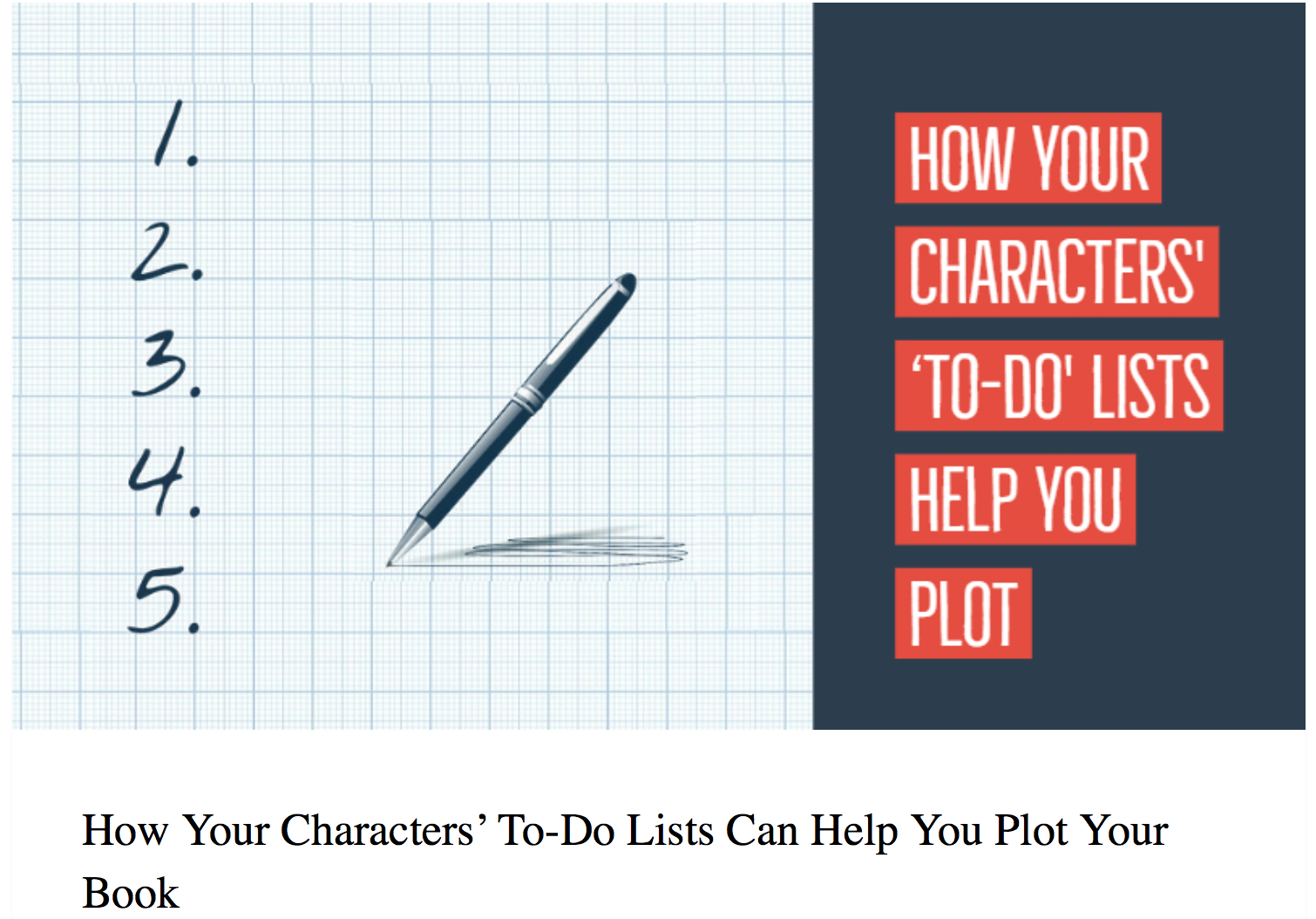
This is pretty interesting advice: basically, by figuring out what a character’s to-do list would be, whether mundane or dramatic, it can help a writer figure out how to advance the plot. As the post suggests, the list could be incorporated into the story at some point, whether as a major or minor plot, or not at all. This can help define what the writers call “story goals,” the solid plot structure.


The website also gives practical advice, like explaining the exact difference between a memoir or an autobiography. Basically, an autobiography is more historical, usually written by someone famous, and will often rely on records to tell the story. A memoir is more based on memory, can be written by anyone, and there’s usually more of an emotional connection in the story.


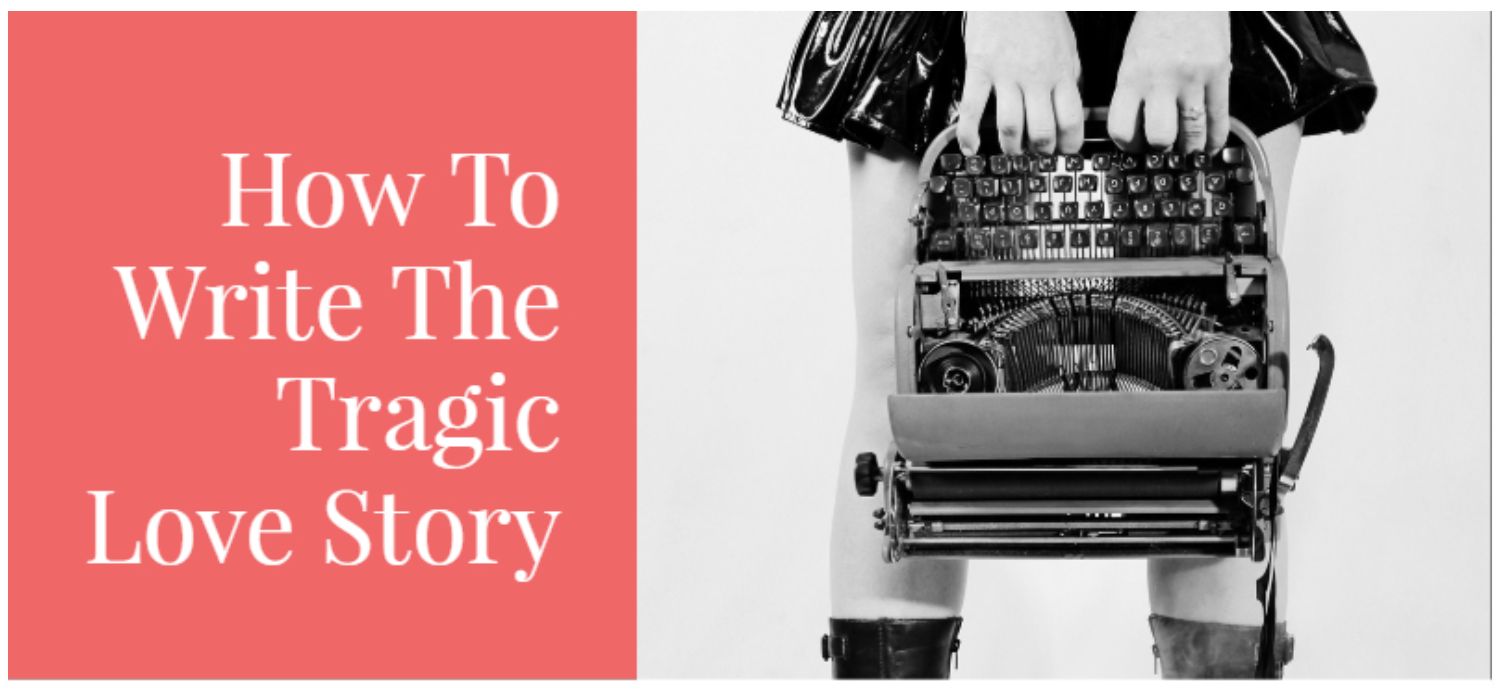
And of course, the formula for writing a good tragic love story. Basically, two star-crossed lovers, with something forbidden that stops them from getting together, they fight their feelings but can’t stay apart, etc. etc. Nothing like a good simple formula to provide the backbone for a love story, especially if someone isn’t in the mood for a happily ever after.

Honorable mention to the post about the writing habits of various authors, specifically how many words they aim to write each day. Fairly insightful, and also a little disheartening to know that some people aim for 10,000 words a day (Michael Crichton is insane). Honorable mention also to the post about how J. K. Rowling isn’t a good writer, which I’m taking with a grain of salt because I feel like they’re just picking on Rowling’s writing style. (I’m currently relistening to the books again and I will fight anyone who says she can’t write.) (Also this is coming from a company that made itself sound redundant.)

Thursday, March 28, 2019

Story Lab: Research for my Storybook

Confession: I already have an ending planned for my Storybook, but I don’t yet have a 3rd story to tell.


Me right now. (Source)

Fortunately, since I have the option to do a Story Lab this week, that means I have the chance to dig around and see if I can find that third story!

It’s fine, everything’s fine (Source)

So far, in my storybook I’ve discussed Greek and Grimm mythology. I’d kind of like to branch out into a non-Western culture, but that might be difficult to do; I’m struggling to find stories that are both long enough and that appropriately feature a textile in some manner.

At any rate, there are some stories that I can look into for my third story, such as:

Rumpelstiltskin


Rumpelstiltskin, of course, is one of the more popular stories that involve a textile of some kind. A miller tells a king that is daughter can weave straw into gold, and the daughter is locked into a room full of straw and a spinning wheel. She’s desperate enough to accept the help of a strange little man, including agreeing to give up her first born. 

A main reason I don’t want to use this in my storybook is that this is a Brothers Grimm story, and I already have the story of The Six Swans. Plus, while the Six Swans story isn’t as popular, Rumpelstiltskin is, and I want to have more obscure stories in my storybook (because personal preference). But if I can’t find anything I’m satisfied with, then this will be something to fall back on. 


Ah, to have that self-confidence (Source)

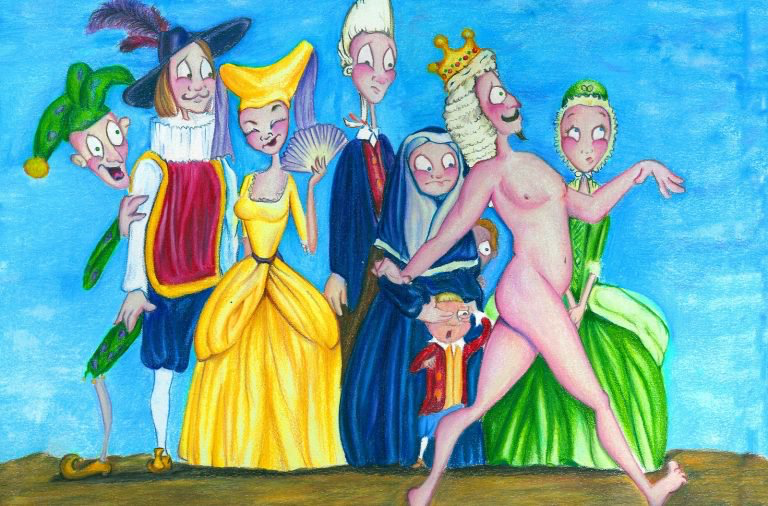
Like Rumpelstiltskin, this story is also very popular. In a sentence, two con artists manage to convince a king that they can create a fabric that only certain people can see, and the king goes walking around naked before a small child points out that, in fact, the emperor has no clothes on.

Again, like Rumpelstiltskin, this isn’t quite a story I think I want to include in my storybook, because it is so popular and I’m also not sure on how I would introduce it into my story, especially because the point of the story is that the fabric doesn’t exist. But it is a textile story, technically, which is why I looked into it.

Donkey Cabbages


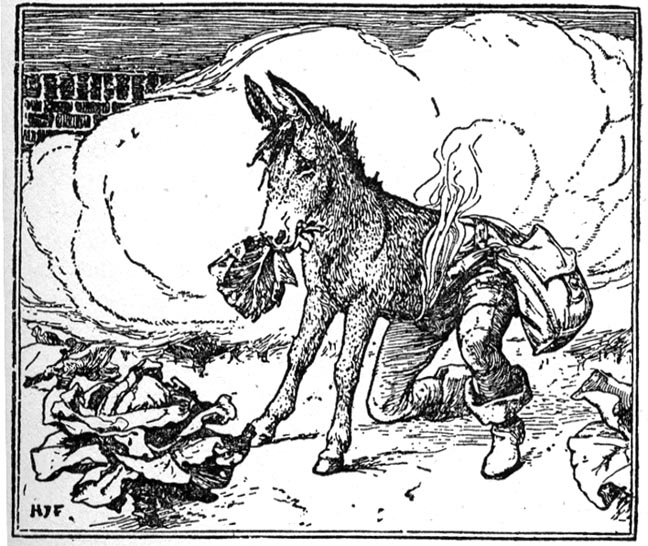
So this story has a weird title, but it’s another Brothers Grimm story so that should be expected, I’d say. To try and summarize, a huntsman shows kindness to an old beggar woman, who tells him how to obtain a cloak that will grant any traveling wish and a bird’s heart that, when eaten, causes a gold coin to appear next to the consumer’s pillow. The man does so, and roams about with the cloak, until he reaches a castle where a witch lives with her beautiful daughter. The witch threatens her daughter into obeying her plans to steal the bird’s heart and cloak, which they do successfully. The plan ends with the man stranded on a mountain, although he’s able to get down thanks to a cloud. When he makes it back to solid ground, he finds himself in a cabbage patch that contains two types of cabbage: one that will turn the consumer into a donkey, and one that will turn someone back to human. 

The man gathers up both types of cabbage, and makes his way back to the castle in disguise. He feeds the first type of cabbage to the witch, her daughter, and a maidservant, and all three are turned to donkeys. He sells them to a miller with instructions on how to treat them (basically, treat the old woman donkey the worst, the maidservant somewhat better, and the daughter the best). Later, the huntsman returns to find the old woman dead, and the other two miserable. He feeds them the cabbage to turn them back human, and ends up marrying the daughter.

The cloak in this story definitely fits the theme that I’m looking for, but again, this is another Grimm story, so I’m reluctant to do it. Additionally, this is a relatively long story, and I had a lot of difficulty cutting down the Six Swans; I’d rather not have to go through that again!


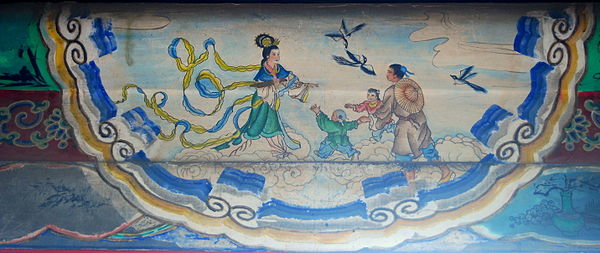
So in China, there was the Goddess Weaver who constantly wove at her loom, until she happened to look down and see a herdsman working. She fell in love with him, but her mother, angry at this and that her daughter neglected her duties, separated the two. The Goddess Weaver stopped weaving the Silver River (the Milky Way), which threatened the world. As a compromise, the two were separated by the River of Heaven, but once a year, magpies form a bridge for them to cross, and the two get to meet for a day.

As it turns out, there’s also a Chinese saying, “a goddess’ robe is seamless,” which originates with the Goddess Weaver. She showed a court official that, because of her loom, her robe was seamless, made without needle or thread. This is now a common idiom to express that something is perfect.

I think I like this story to use the best, because it’s a different culture, and the name of the character is the Goddess Weaver. I think this is the one I’ll end up using, I just have to find a decent source to use.
Thursday, February 21, 2019

Week 6 Story Lab: TV Tropes

This week, instead of doing a storytelling (and since I was only able to do one reading this week), I did one of the Story Labs. More specifically, I did the TV Tropes rabbithole (which is a trope). Despite the “TV” in the name, TV tropes are found in any form of storytelling, whether it’s on page, on a screen, or even told orally. Not all TV tropes are bad, and indeed it’s not bad to use them, although doing so abundantly isn’t the best thing to do.

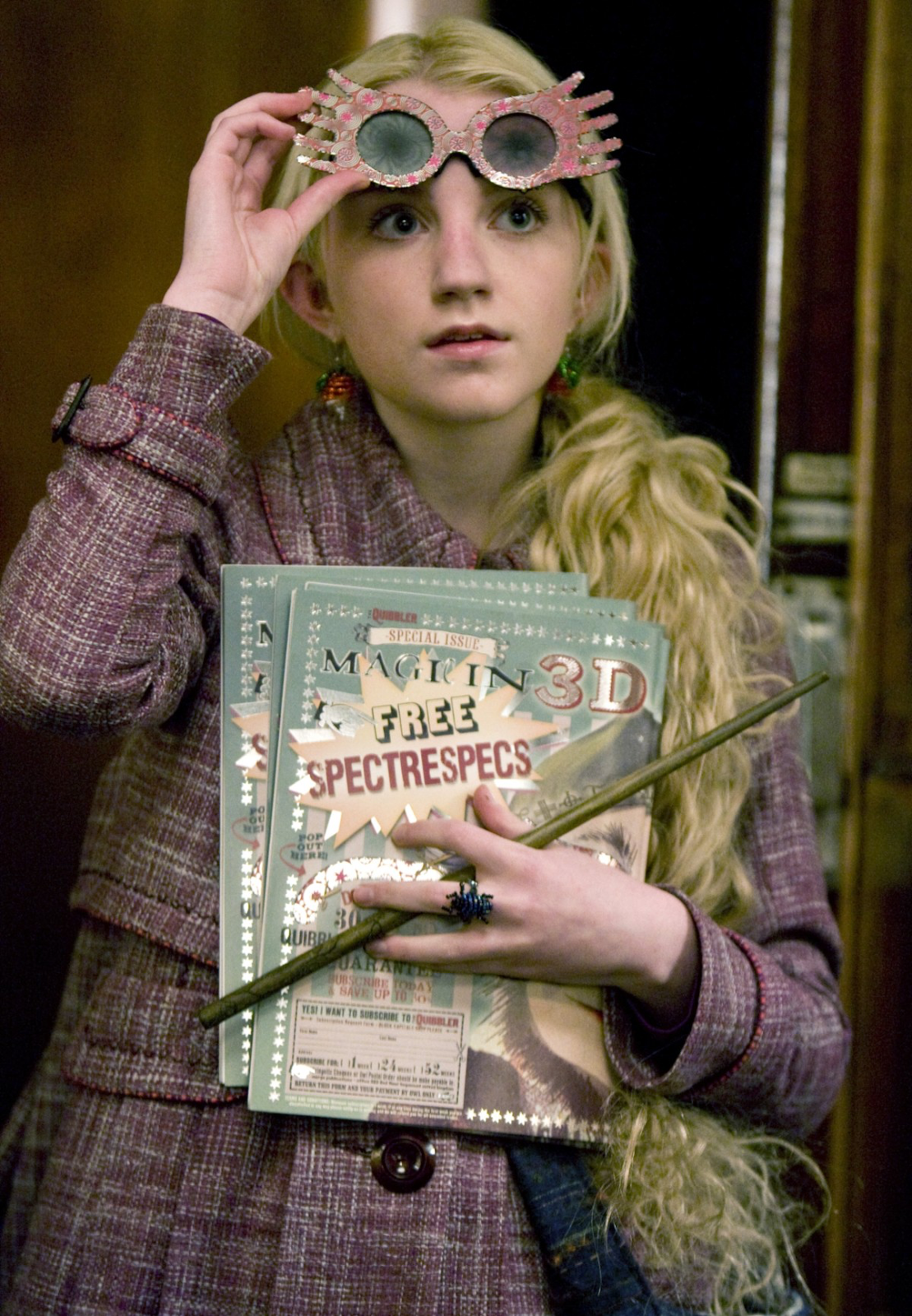
Some tropes aren’t super obvious, such as the Ensemble Dark Horse, which refers to characters that unexpectedly become popular within the fanbase, resulting in demands of the creators to expand upon the character. Examples include Minions from the Despicable Me movies, or Luna Lovegood from Harry Potter. These are minor characters, relatively speaking, but for whatever reason, the fan base latches onto the character and demands for more of them from the creators. Usually (ironically) they also get upset when this happens, as the character will do something that the fan base feels is out of character (but we’re not going to get into the issue of fan bases feeling they own a character).

I refuse to post a picture of a minion on my blog (Source)

Then there’s the “Everyone Calls Him ‘Barkeep’” trope, which is where the character is referred to by their job title or a descriptive word. It can also be a nickname that is used so commonly that for all intents and purposes, it is the character’s name. Examples include Beast from Beauty and the Beast (in the original movie his real name is never given, although in the musical they reveal his name to be Adam), or the title character from the book The Giver. Often the character’s real name is mentioned once somewhere in the media form, but it’s only done once and rarely brought up again. They’re just referred to as their nickname.


Beast, as portrayed in the original movie (Source)

Speaking of Beauty and the Beast, there’s also the trope of the Grand Staircase Entrance. Most likely populated by the Disney’s Cinderella, this is the trope where the (usually) female character makes a grand entrance by appearing at the top of a grand staircase, dressed to the nines and looking much better/fancier than she usually does. Plenty of time is given for the audience to admire the change from the character’s typical appearance, and to see what fancy outfit she has on. 

Hermione gets her own staircase entrance in the movie Goblet of Fire (Source)

So, to conclude, it can be really fun to go looking through TV tropes. The website is great about pulling examples from all kinds of media to show examples, and even some real life ones sometimes. Plus there’s often a slight amount of snark in the articles, which is hilarious.